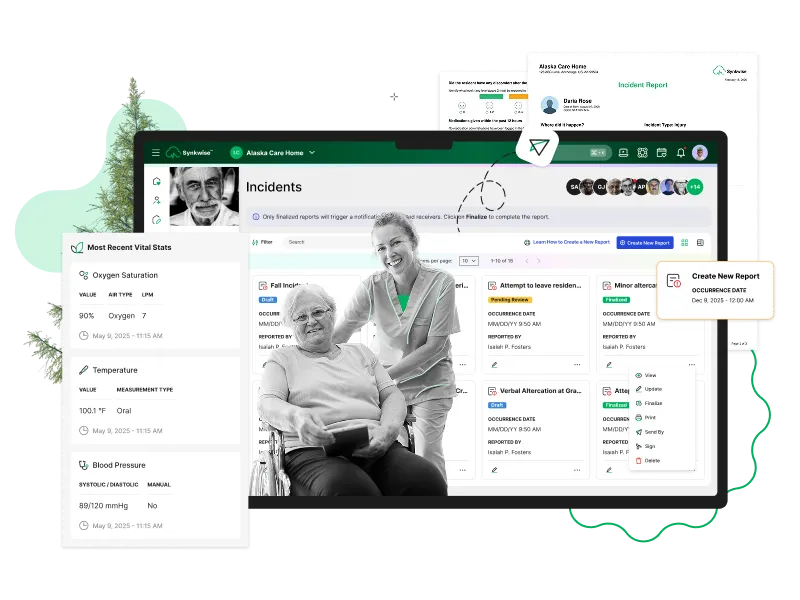
Caregiver explaining medication to elderly resident in assisted living setting

Scheduled vs PRN Medications: What Caregivers Need to Know

Understanding the difference between scheduled vs PRN medications is essential for providing safe, consistent care in assisted living and long term care settings.

If you are a caregiver, nurse, or provider, knowing when and how to administer each type of medication can help prevent errors, improve resident outcomes, and keep your community inspection ready.

What Is a Scheduled Medication

A scheduled medication is given at specific times throughout the day based on a physician’s order.

Common schedules include:

  • Once daily
  • Twice daily every 12 hours
  • Three times daily every 8 hours
  • Every 6 hours

These medications must be taken consistently to maintain stable levels in the body.

Most care settings allow a one hour window before or after the scheduled time. Even with that flexibility, timing still matters. Some medications require precise spacing to remain effective.

For example, medications like carbidopa levodopa, used for Parkinson’s disease, often require tighter timing. Delays can directly impact how well the medication works and how the resident feels.

What Is a PRN Medication

Care teams give PRN medications only when needed, rather than on a fixed schedule.

Care teams commonly use PRNs to manage symptoms such as:

  • Pain
  • Fever
  • Anxiety
  • Nausea

PRN medications can be administered in two ways:

  • The resident requests the medication
  • The caregiver observes symptoms and follows delegated instructions

For example, a resident may report pain and request relief. In other cases, caregivers may notice signs like grimacing, restlessness, or fever and respond accordingly.

What Does PRN Mean

PRN stands for “pro re nata,” a Latin phrase that means “as needed.”

In practice, this means care teams only give the medication when certain symptoms are present, not on a routine schedule. Understanding this distinction helps prevent both overuse and missed care.

Scheduled vs PRN Medications: Key Differences

The difference between scheduled and PRN medications comes down to timing and purpose.

Scheduled medications:

  • Given at fixed times
  • Maintain consistent treatment levels
  • Require strict timing

PRN medications:

  • Given based on symptoms or need
  • Require observation and judgment
  • Depend on proper documentation

Both play an important role, but each requires a different approach to ensure safe and effective care.

Why Medication Timing Matters

Medication timing is not just a guideline. It directly affects outcomes.

When care teams delay or miss scheduled medications:

  • Effectiveness can decrease
  • Symptoms may worsen
  • Risk of complications increases

When PRN medications are not used appropriately:

  • Residents may remain in unnecessary discomfort
  • Symptoms can escalate
  • Early warning signs may be missed

Timing becomes even more critical when medications are given multiple times per day. Small delays can quickly lead to overlap or gaps in care.

How Documentation Improves Medication Accuracy

Clear documentation is essential for both scheduled and PRN medications.

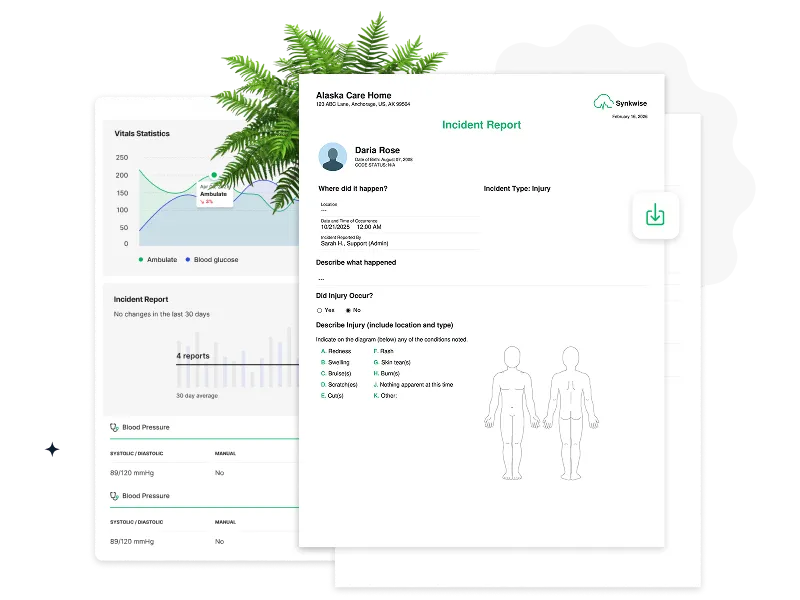
It ensures care teams give medications correctly, track symptoms, and identify patterns over time. Small, consistent details can reveal larger issues before they escalate and without strong documentation across shifts, important information can be missed.

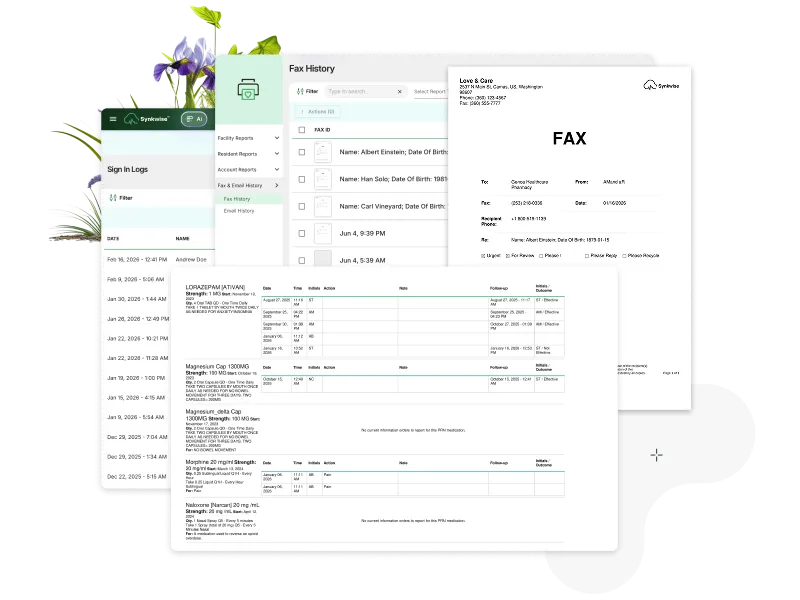
This is why many care teams are moving toward EHRs and eMARs to make documentation easier and more consistent across shifts.

Modern systems simplify this process by providing alerts and visibility into PRN usage. This helps reduce errors and improves coordination across the care team.

Managing Medications with Confidence

When medication management is clear and organized, care teams can respond faster, reduce errors, and provide better care for residents.

If your team still relies on paper or outdated systems, medication management often becomes more complicated than necessary.

Synkwise helps simplify medication tracking with real time documentation and alerts.

Get started today or book a demo to see how Synkwise supports your team.